Introduction
NFT and crypto casinos have revolutionized online gaming and raised the profile of digital assets and blockchain technologies. These sites attract new players by offering a distributed, fast alternative to online casinos. Beyond inventive payment mechanisms and decentralized control, gamification is another trend emerging beneath the surface. Gamification is defining how NFT and crypto casinos engage, entertain, and retain users. So are these innovative platforms gamified? A resounding yes—often in creative ways.
Crypto Casino Gamification Appreciation
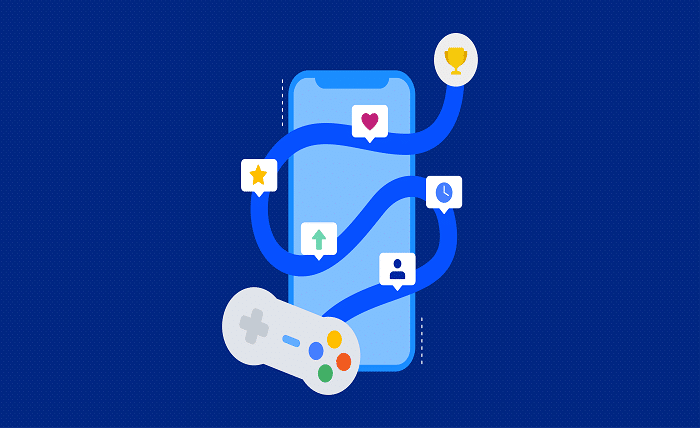
Gamification is adding levels, achievements, leaderboards, and progress indicators to non-game environments. Crypto and NFT casinos use this technology to make gambling more fun, immersive, and profitable. Gamified systems go beyond “click and spin” by encouraging players to explore, compete, and earn more than digital currency. This trend suggests that gamers now want fun rather than money.
Gamification appeals to human nature with rewards, rivalry, and advancement. Unlocking a level or completing a task can be as satisfying as winning a jackpot. NFT and crypto casinos may amuse themselves, build loyalty, and stand out in a saturated business by integrating these dynamics.
Engagement And Integration Of NFT Players
NFT casinos add gamification by including acquired objects. Non-fungible tokens (NFTs) can represent avatars, badges, virtual real estate, in-game characters, and weapons. These unique, blockchain-verified objects are often awarded to players for completing quests, leveling up, or attending events.
A casino may award an NFT to the top three weekly tournament finishers. That NFT may offer better odds, unusual games, or secondary market value as a collectible. Unlike traditional online casinos, users can trade or sell NFTs, adding ownership and strategy.
This turns gambling into a community-driven activity. Players are building collections, climbing levels, and having lasting experiences, not just spinning reels. The platform can also develop a unique environment that draws players for adventure and gambling.
Loyalty And Advancement Systems
SLOT GACOR Traditional casinos may offer loyalty programs with points, refunds, and status levels using real money. NFT and cryptocurrency casinos have expedited this idea using blockchain. Players can save, sell, or use native platform tokens obtained through their activity. These coins operate as money and governance by letting users vote on platform changes and future improvements.
Video game-like progression features like level-ups, badges, and objectives emphasize strategic play and consistency. A player may complete a “daily quest,” such as betting a certain amount or playing a new game, to earn bonuses or bitcoin prizes. These rules make gambling more like an adventure than a series of bets.
Tiered systems can also be beneficial. Tiers may offer faster withdrawals, better customer service, or NFTs. These benefits boost customer satisfaction and retention, encouraging players to use one platform.
Leaderboards, Community Challenge
Crypto and NFT casinos also incorporate social gamification. Seasonal contests and leaderboards foster community and competition. These real-time competitions pit competitors’ talents and luck against each other, often with big prizes.
While seasonal contests may feature themed games or tasks, leaderboards track high scores or total wagers. Some sites enable users to form “clans,” or teams, to achieve goals and reap benefits. These aspects keep the experience interesting and create loyalty among consumers who value competition fellowship.
Social involvement gains even more value in this situation. Even non-winners will enjoy climbing a leaderboard or assisting a cause. Typical traditional casinos have few or no player contact.
Gamification With Decentralization
Though odd, many NFT and cryptocurrency casinos’ distributed nature can be gamified. Staking tokens or NFTs on numerous platforms turns users into stakeholders by letting them vote on governance. Community governance can be seen as a game of influence where players use their assets to shape the casino.
The platform becomes a collaborative effort when gamified governance encourages accountability and involvement. When they think their voice matters and their in-game decisions matter, users engage more.
Intelligent Contracts, Open Rewards
Blockchain-based smart contracts are crucial to bitcoin casino gamification. These automatic systems distribute incentives, prizes, and rewards properly and transparently. Completing a mission or solving a problem leads to an instant smart contract payout, eliminating delay or ambiguity.
Automation allows for more complex reward and incentive systems. Casinos’ advanced achievement structures can adjust difficulty and prizes based on player performance. Smart contracts’ dependability and speed give the sense of a well-designed game with clear rules and distributed progression.
Conclusion
NFT and crypto casinos leverage gamification as a major part of their platform architecture. These casinos are redefining online betting with NFTs, blockchain loyalty programs, leaderboards, objectives, and community competition. Game-like elements and blockchain-backed rewards are elevating the roulette wheel experience.
Gamification has made these sites active ecosystems where users explore, earn, compete, and even govern—not just wager. NFT and crypto casinos are rapidly becoming the new frontier of captivating, immersive, and rewarding digital entertainment for players seeking more than chance.